
Why Practical IT Training Matters More Than Ever in 2026
In today’s rapidly evolving digital world, acquiring strong IT skills is no longer optional—it is essential. Organisations across industries are actively seeking professionals who can contribute from day one with real, job-ready technical knowledge. However, a significant gap still exists between academic learning and industry expectations. This is where practical, industry-focused IT training plays a vital role.
The Growing Demand for Skilled IT Professionals

Technology continues to transform how businesses operate. From cloud computing and cybersecurity to data analytics and software development, companies require professionals who understand modern tools, frameworks, and real-world implementation.
While universities provide theoretical foundations, employers increasingly prioritise hands-on experience, project exposure, and problem-solving ability. Candidates who have worked on real scenarios, live projects, or simulated environments stand out immediately in the recruitment process.
The Limitations of Traditional Learning
Traditional classroom education often focuses heavily on:
- Theory-based curriculum
- Outdated technologies
- Limited exposure to real business problems
- Minimal interaction with industry professionals

As a result, many graduates struggle to transition smoothly into professional IT roles. They may understand concepts but lack the confidence to apply them in practical situations such as debugging code, deploying applications, or handling client requirements.
The Power of Practical, Industry-Aligned Training
Modern IT training programmes are designed to bridge this gap by combining:
1. Hands-On Learning
Learners work directly with tools, coding environments, servers, and cloud platforms—gaining experience that mirrors real workplace scenarios.
2. Real-World Projects

Project-based learning helps students understand how technologies are used in actual business applications, improving both technical and analytical skills.
3. Expert Guidance
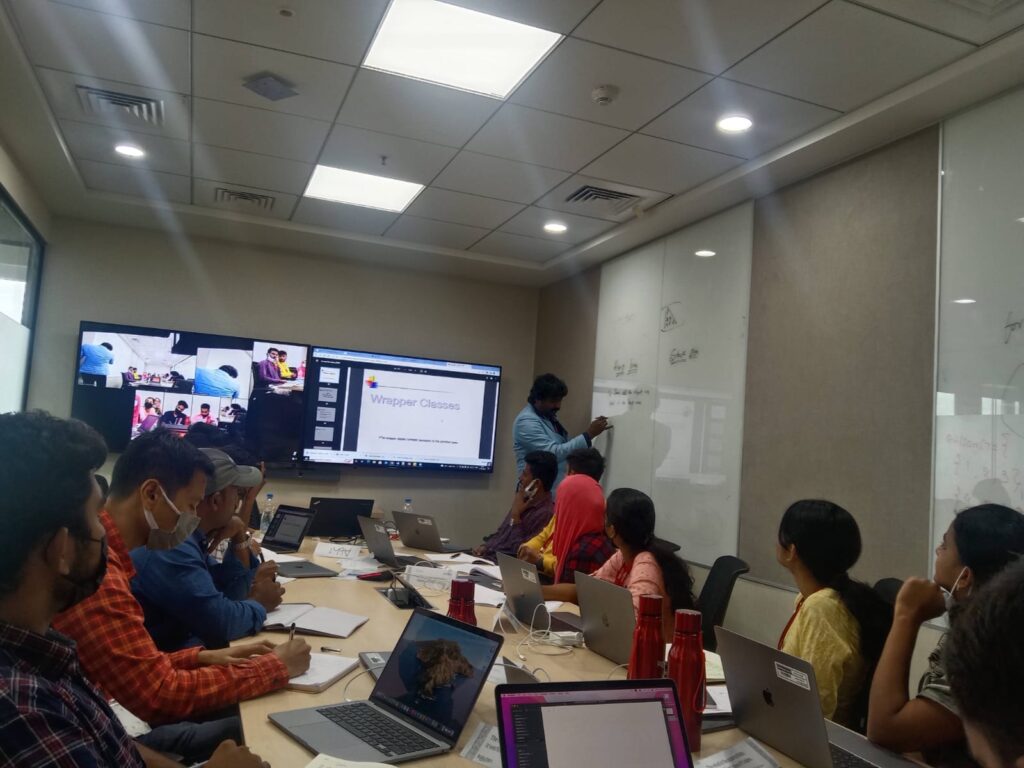
Training delivered by experienced industry professionals ensures that learners receive insights beyond textbooks, including best practices, common challenges, and career guidance.
4. Updated Curriculum
Industry-aligned programmes continuously evolve to include the latest technologies, frameworks, and methodologies used by companies today.
Benefits for Students and Working Professionals
Practical IT training is valuable not only for fresh graduates but also for:
- Career switchers looking to enter the IT field
- Working professionals aiming to upgrade their technical skills
- Corporate teams requiring upskilling in new technologies
Key advantages include:
- Improved job readiness
- Higher confidence in technical interviews
- Faster career growth
- Better alignment with industry needs
The Importance of Corporate Training
Organisations today recognise that continuous learning is essential for business success. Corporate IT training enables companies to:
- Enhance employee productivity
- Adopt new technologies smoothly
- Reduce dependency on external hiring
- Strengthen innovation and competitiveness
Structured training programmes tailored to organisational goals can significantly improve team performance and long-term business outcomes.
Choosing the Right IT Training Institute
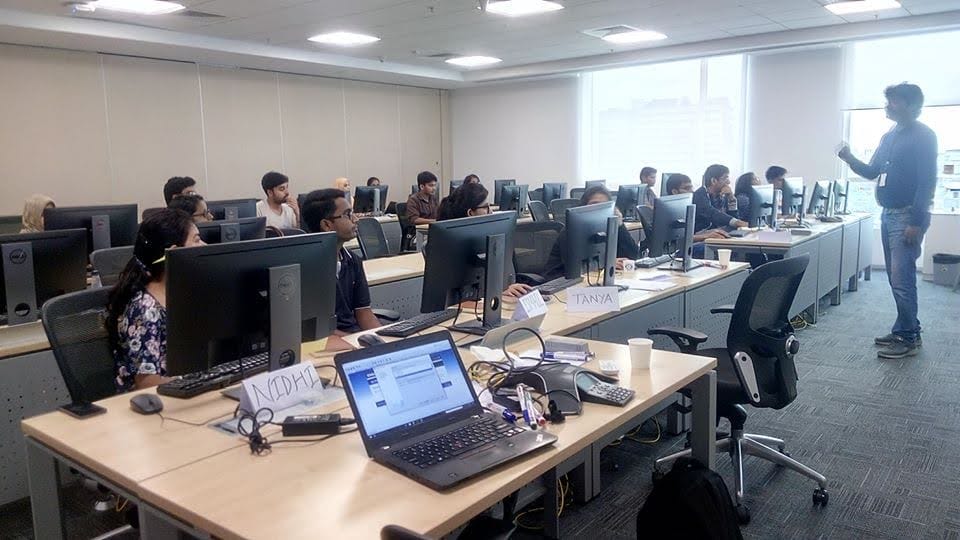
When selecting an IT training provider, learners should look for:
- Industry-experienced trainers
- Practical, project-based curriculum
- Flexible learning modes (classroom, virtual, or hybrid)
- Placement or career guidance support
- Positive learner outcomes and credibility
A reliable institute focuses not just on teaching technology but on building careers.
Preparing for the Future of Technology
As automation, artificial intelligence, and cloud technologies continue to advance, the need for skilled IT professionals will only grow. Continuous learning and practical exposure will remain the key differentiators in a competitive job market.
Investing in the right training today can open doors to long-term professional success tomorrow.

Conclusion
Practical IT training has become the bridge between education and employment. By focusing on real-world skills, hands-on projects, and industry relevance, modern training programmes empower learners to succeed in dynamic technology careers.
For students, professionals, and organisations alike, the message is clear:
the future belongs to those who are prepared with practical skills and continuous learning.